1. What are the different types of dentures?
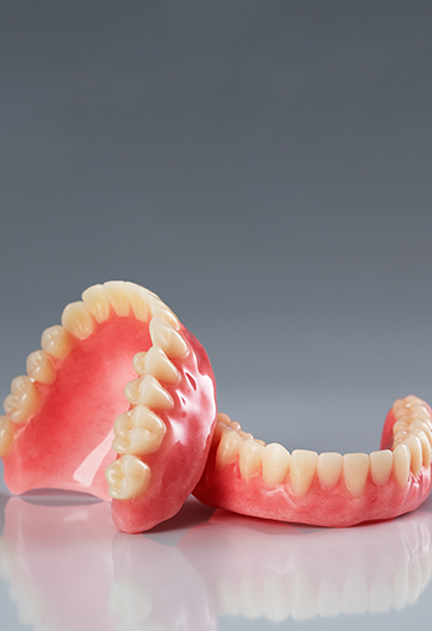
There are two main types: complete dentures, which replace all teeth, and partial dentures, which fill in gaps left by missing teeth while preventing remaining teeth from shifting. Overdentures can fit over natural teeth or implants for additional support.
2. How are dentures made?
The process usually takes about one month and involves multiple visits. Impressions, bite measurements, and wax try-ins are used to ensure a proper fit before the final denture is created and placed.
3. How do I care for my dentures?
Dentures should be brushed daily with a denture brush to remove plaque and food debris. When not in use, they should be kept in water or a denture-soaking solution to prevent them from losing shape.
4. Will dentures affect my eating and speech?
It may take time to adjust to eating and speaking with dentures. Start with soft foods and practice speaking out loud to improve clarity. Over time, you'll regain comfort with everyday activities.
5. When should I replace or adjust my dentures?
Dentures may need adjustments or replacement as your mouth naturally changes over time, causing them to loosen. If your dentures become uncomfortable, cracked, or damaged, see your dentist for repairs or a fitting adjustment.