1. How often should I get routine dental cleanings?
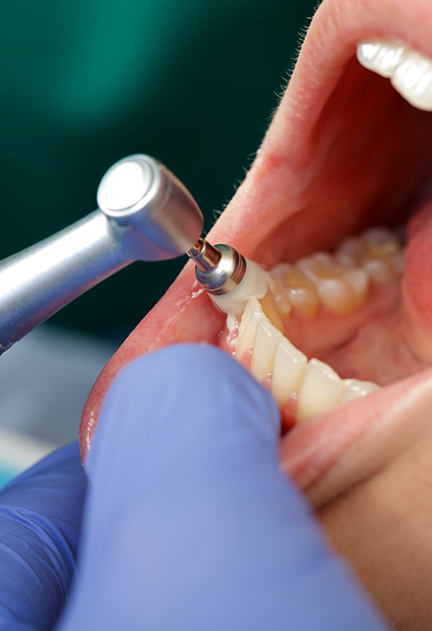
Most individuals should get routine dental cleanings twice a year, or every six months. However, people at higher risk, such as pregnant women, diabetics, and smokers, may need more frequent cleanings.
2. What is the difference between routine and deep dental cleanings?
Routine cleanings are preventative and focus on removing plaque and tartar. Deep cleanings, also known as scaling and root planing, are recommended for treating gum disease and involve cleaning below the gum line to remove bacteria.
3. Who might need more than two routine cleanings per year?
Individuals considered high-risk, such as pregnant women, diabetics, and tobacco users, may require more than two cleanings annually to maintain optimal oral health.
4. What can I expect during a deep dental cleaning?
Deep dental cleanings involve removing plaque and tartar from the tooth roots and gum pockets. It may take multiple treatments to see improvement in gum health, especially for those with periodontal disease.
5. How can I maintain good oral hygiene at home between dental visits?
To maintain oral health at home, brush twice a day, floss daily, and use mouth rinses as directed. Replacing your toothbrush every three months and asking your hygienist for proper brushing and flossing techniques can also help.