1. What are the cosmetic impacts of losing a tooth?
Losing a tooth can significantly alter your appearance, especially if it's in the front of your mouth. Missing teeth can cause the lips to lose support, leading to a sunken look. Additionally, losing molars can lead to bite collapse, pushing the front teeth forward.
2. How does losing a tooth affect emotional well-being?
Losing a tooth can harm self-confidence, leading to people hiding their smiles or avoiding social interactions. This may cause feelings of isolation and, in some cases, contribute to depression-like symptoms
3. What are the oral health risks of losing a tooth?
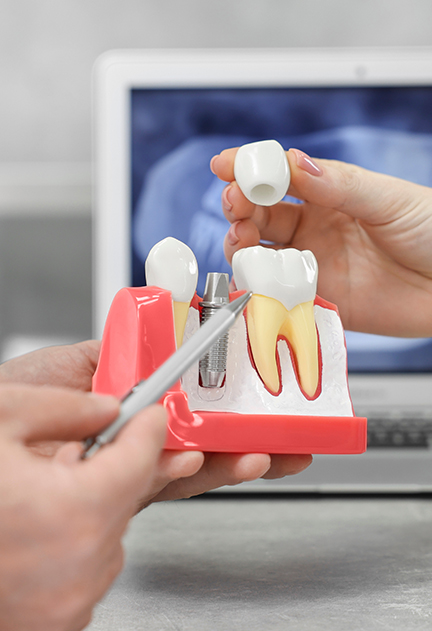
Losing a tooth can weaken neighboring teeth, which depend on each other for support. It may also lead to bone loss in the jaw over time. Dental implants help prevent this by stimulating and preserving the bone.
4. What are the different types of dental implants?
There are two main types: endosteal implants, which are surgically placed into the jawbone, and subperiosteal implants, which involve placing a metal frame below the gum line. Both types support crowns or bridges for tooth replacement.
5. How can I care for dental implants to ensure they last?
To maintain dental implants, it’s essential to visit your dentist regularly, brush and floss daily, avoid hard foods that could damage crowns, and refrain from smoking, which can weaken the jawbone and affect implant longevity.