1. What’s the difference between veneers and dental bonding?
Bonding is recommended for minor tooth adjustments, while veneers are better for more severe issues like heavily discolored, worn, cracked, or misshapen teeth. Veneers are custom-made and stain-resistant, making them a longer-lasting solution.
2. When are veneers a better option than bonding?
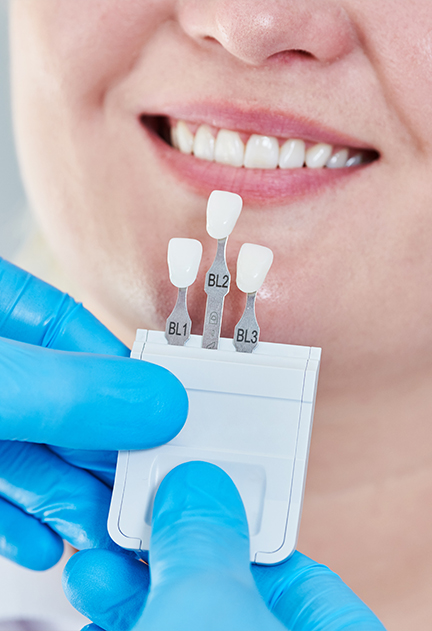
Veneers are ideal for addressing significant cosmetic issues such as large gaps, cracked teeth, or uneven size and shape of teeth. They provide a more natural look and are less likely to discolor over time compared to bonding.
3. How long does the veneer process take?
The veneer process typically takes two to three appointments. The first visit is for consultation, the second for tooth preparation and temporary veneers, and the third for placing the permanent veneers.
4. What happens during the consultation for veneers?
During the consultation, you’ll meet with your dentist to discuss your treatment goals, ask questions, and develop a personalized plan based on your needs and schedule.
5. Are veneers stain-resistant?
Yes, veneers are designed to be stain-resistant, meaning they are less likely to become discolored from foods or drinks like coffee or wine, unlike natural teeth or bonding material.